Real Estate Investing Workshop: What to Expect and How to Choose One
What a good real estate investing workshop covers, how to spot a sales pitch, and what The Business of Real Estate Workshop includes.
By Calvin Cannon Jr.
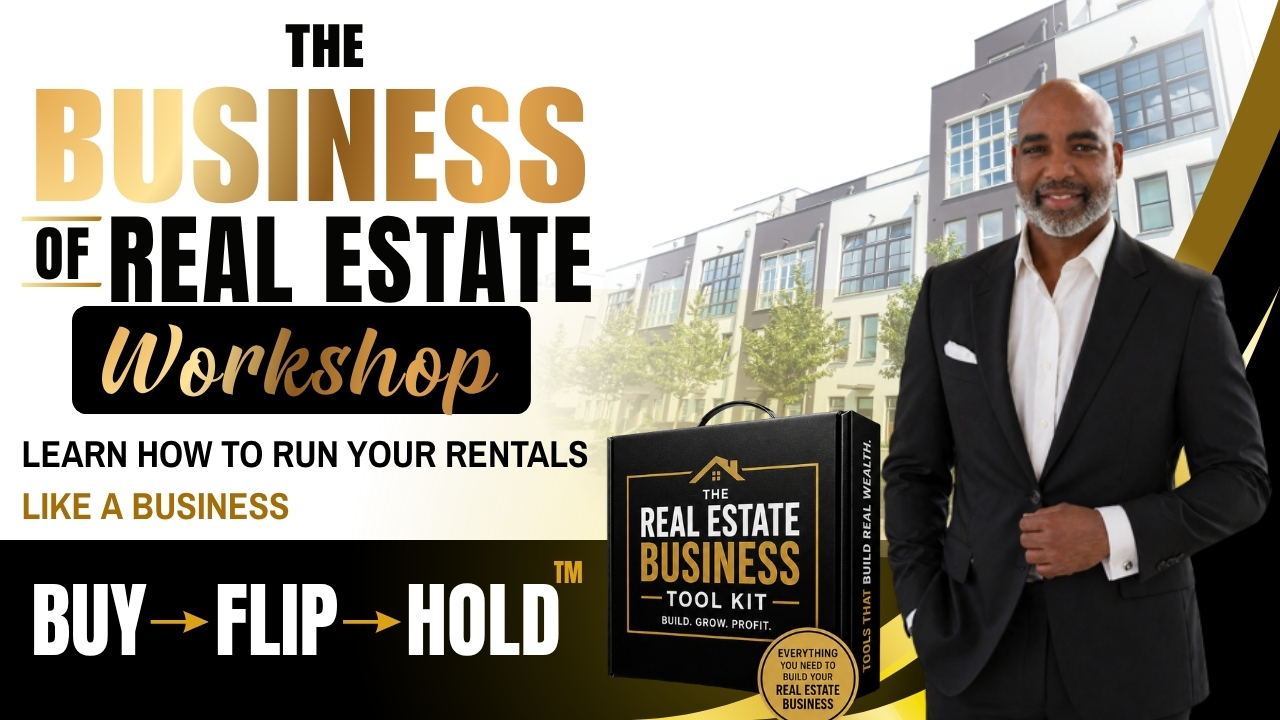
A real estate investing workshop is a focused learning session, usually a day or a few sessions, built around a specific set of skills. The best workshops leave you with practical tools you can use the same week. The worst are sales events in disguise.
This guide explains what to look for, what to avoid, and what Calvin Cannon Jr.'s Business of Real Estate Workshop covers.
What a good workshop covers
Look for workshops that teach the fundamentals of running real estate as a business, such as:
- Deal analysis: rent comps, repair estimates, reserves, and exit strategies
- Financing basics and how to prepare for lenders
- Business structure and record keeping (with professional review)
- Tenant screening, leases, and maintenance systems
- Bookkeeping and monthly reporting
- Building a team of contractors and advisors
- Growth planning at a sustainable pace
Signs of a quality workshop
- A clear agenda published before you register
- An instructor with verifiable real estate experience
- Honest discussion of risk
- Templates or worksheets you keep
- Time for questions about your own situation
- Disclosure that it is education, not legal or financial advice
Red flags to watch for
Be careful with events that promise guaranteed income, spend most of the time on testimonials, pressure you to buy an expensive program before you leave, or encourage you to open new credit to pay for it. Real education gives you something useful whether or not you buy anything else.
How to get the most out of a workshop
- Bring your real numbers: properties, income, debts, and goals
- Write down one or two specific questions in advance
- Take notes on next steps, not just ideas
- Pick one change to implement within a week
- Follow up with a community or mentor to stay accountable
Choosing the right kind of support
Investors usually need different kinds of help at different stages. Matching the support to the stage keeps you from overspending or under-preparing.
- Just starting: free resources such as the Landlord Business Checklist and the Learning Center
- Building foundations: a workshop with a clear curriculum and templates
- Ongoing questions: a community of other owners and live sessions
- Personal plan: one-on-one mentorship around your portfolio
How to prepare so you get real value
Whatever you choose, preparation multiplies the value. Gather your current numbers: properties owned, rents, expenses, debts, and reserves. Write down your goals for the next one, three, and five years. List the two or three problems costing you the most time or money. Bring these to every session and you will get specific answers instead of general advice.
Measuring progress
Learning should change results. Track a few measurable outcomes before and after: time spent on routine tasks, days of vacancy, on-time rent percentage, maintenance response time, monthly cash flow, and progress toward your next acquisition. If nothing changes, the program was not the right fit or the plan was not applied.
Key terms to know
- Buy and hold: buying property to rent long term
- Fix and flip: buying, renovating, and reselling a property
- SOP: standard operating procedure, a written process for a repeating task
- Deal review: pressure testing an opportunity before committing capital
- Accountability: regular review against goals you set
About Calvin Cannon Jr.
Calvin Cannon Jr. is a real estate investor and coach behind The Business of Real Estate and Buy Flip Hold. His programs focus on systems over hustle, numbers first, team building, compliance awareness, and steady long-term growth. All programs are educational, and results depend on your market, effort, and decisions.
The Business of Real Estate Workshop
Calvin Cannon Jr.'s workshop combines landlord operations with investing fundamentals. It covers screening, leases, maintenance, deal analysis, financing basics, bookkeeping, team building, and growth planning. You leave with a written plan, working templates, and better questions for your lenders, CPA, and partners.
Joining the waitlist is free and does not purchase a ticket. Waitlist members hear about dates and details first.
This guide is general education, not legal, tax, or financial advice. Work with licensed professionals in your state before acting on it.
Putting this guide to work
Most owners read a guide like this, agree with it, and change nothing. The ones who improve pick one idea and finish it before starting the next. Choose the single item on this page that would remove the most stress or protect the most cash flow in your business, put a date on it, and tell someone who will ask you about it.
Then write down what you did. A short note describing the new process, where the files live, and who is responsible turns a one-time fix into a system. Over a year, a dozen small systems like this add up to a business that runs with far less effort and far fewer surprises.
- Pick one improvement from this page
- Set a completion date within the next 30 days
- Write the new process down in a few sentences
- Store related documents in one consistent place
- Review the result next month and adjust
Where to go next
The Business of Real Estate Learning Center is organized around the core parts of running rentals as a business: tenant screening, property management, cash flow, compliance, and growth. Each guide links to related topics so you can go deeper on the area that matters most to you right now.
When you want more structure, Calvin Cannon Jr. offers a free Landlord Business Checklist, a combined workshop for landlord operations and investing fundamentals, a private community for ongoing questions, and one-on-one mentorship. Everything is educational. Laws and markets differ, so confirm legal, tax, and financial decisions with licensed professionals where your properties are located.
FAQ
Frequently asked questions
Are real estate workshops worth it?
A good one can save you from costly mistakes. Judge it by the agenda, the instructor, and whether you leave with usable tools.
Is the workshop online or in person?
Formats and dates are shared with the waitlist first.
Do I need experience to attend?
No. The workshop is built for aspiring and active owners.